
Upcoming Lectures
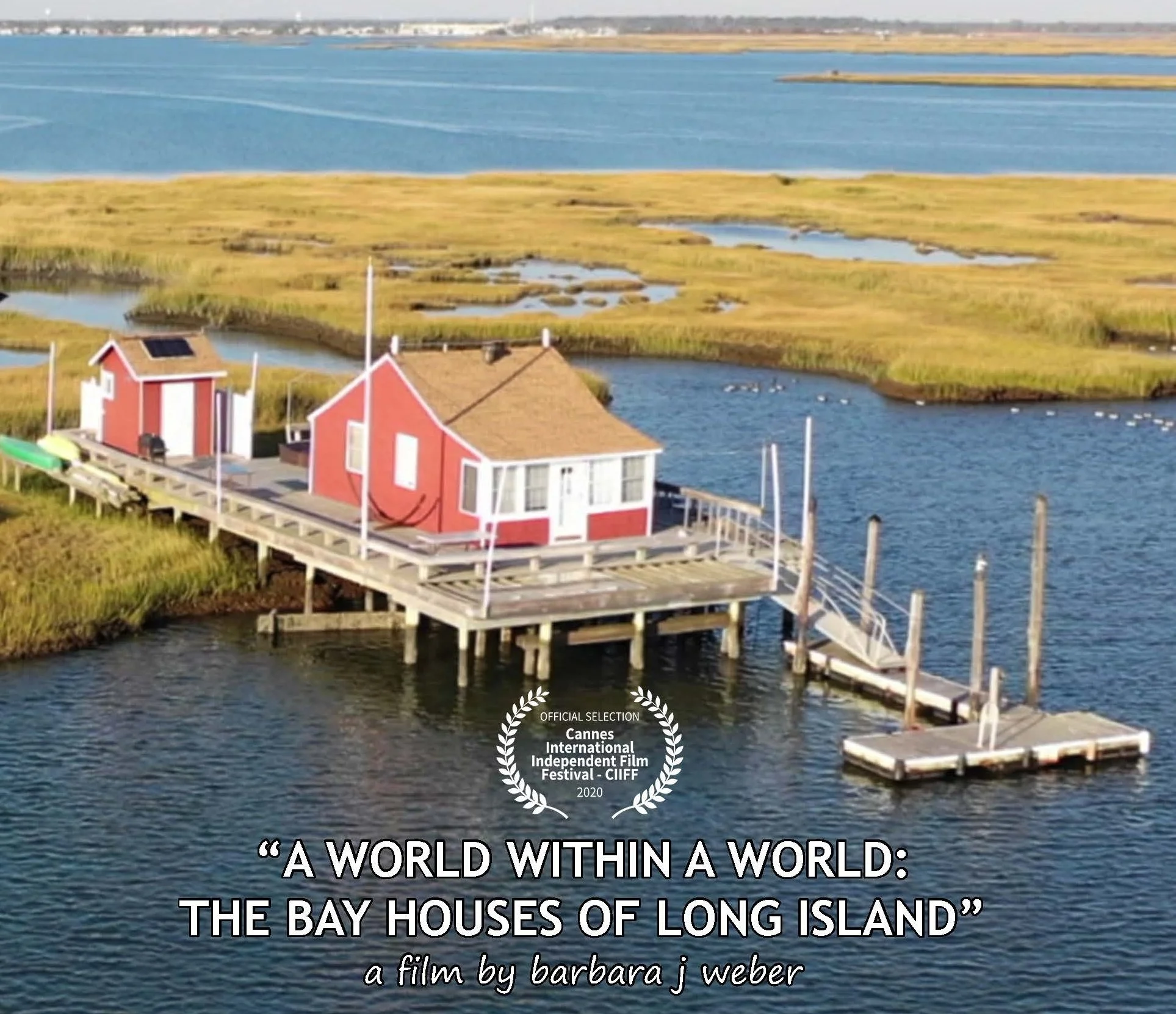
A World Within a World: The Bay Houses of Long Island
Documentary filmmaker Greg Blank discusses the unique history and culture of this world through a screening and discussion of his documentary film “A World Within A World: The Bay Houses Of Long Island”.
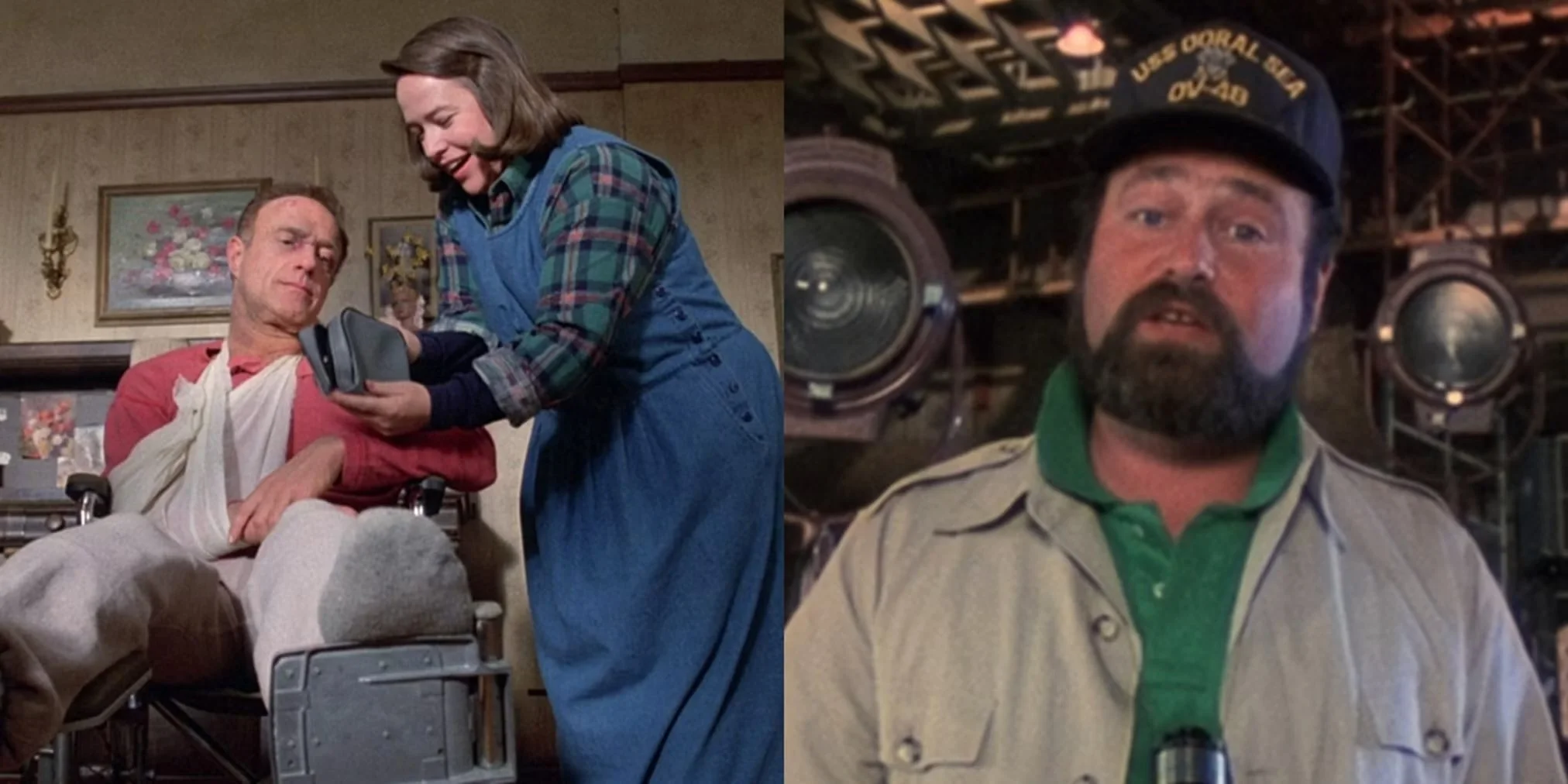
Rob Reiner: From Laughter to Legacy
Explore the storied career and legacy of Rob Reiner, from his early days as an actor on, "All in the Family," to one of Hollywood's most iconic and versatile directors with films like “This Is Spinal Tap” (1983), “The Princess Bride”’ (1987), “Stand by Me” (1986), “When Harry Met Sally” (1989), and “A Few Good Men” (1992), among many others
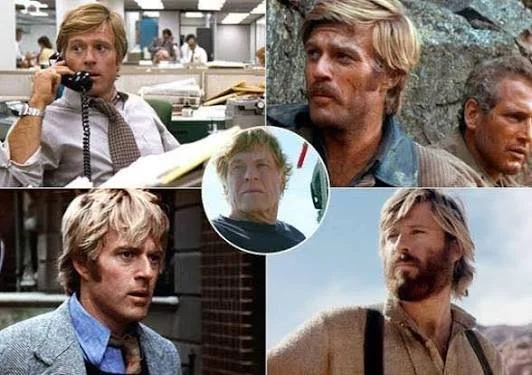
Robert Redford: The Visionary Behind and Beyond the Screen
Trace the versatile career of the late Sam Neill, the monumental impact of Steven Speilberg's 1994 film "Jurassic Park",and will examine Spielberg’s 1981 classic "Raiders of the Lost Ark" and its subsequent sequels, and how the director turned the sciences of archaeology and paleontology to mainstream action-film icons.
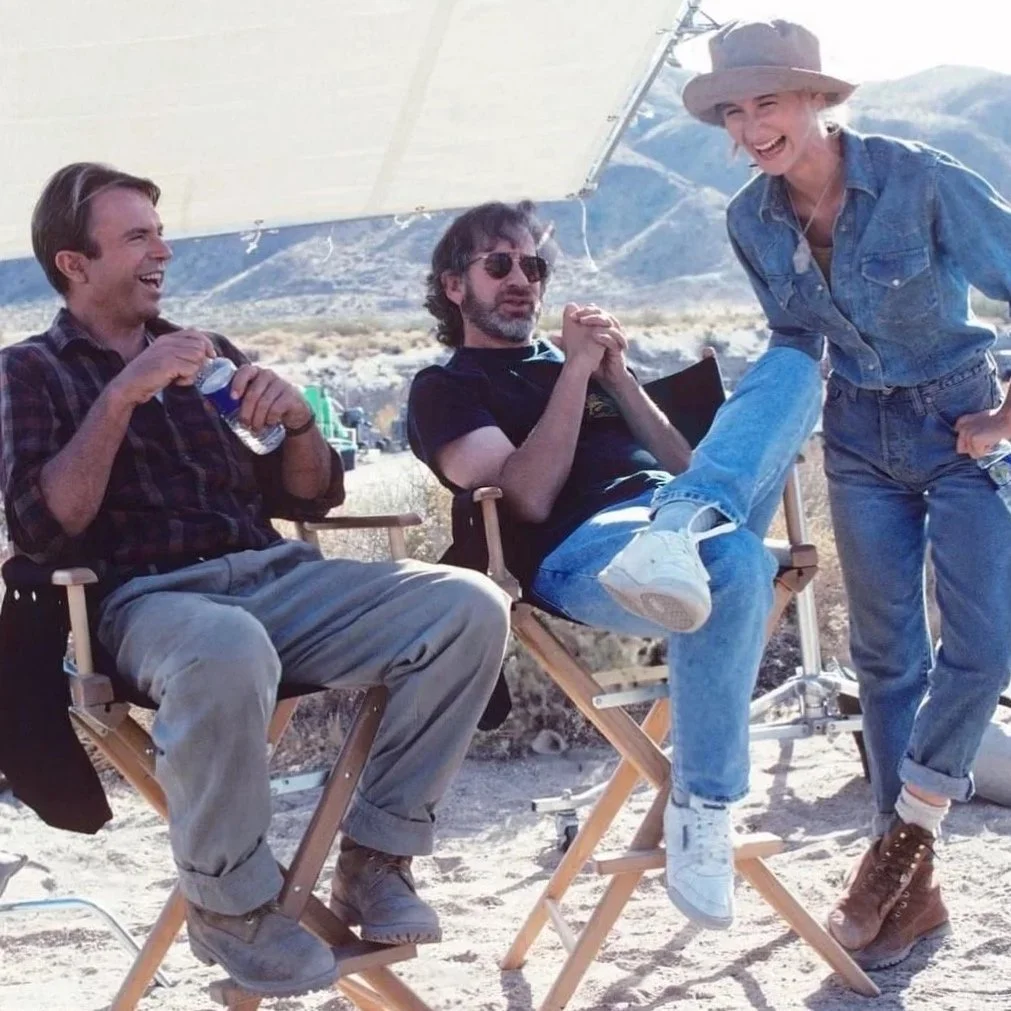
Sam Neill, Steven Spielberg, and Jurassic Park
Trace the versatile career of the late Sam Neill, the monumental impact of Steven Speilberg's 1994 film "Jurassic Park",and will examine Spielberg’s 1981 classic "Raiders of the Lost Ark" and its subsequent sequels, and how the director turned the sciences of archaeology and paleontology to mainstream action-film icons.
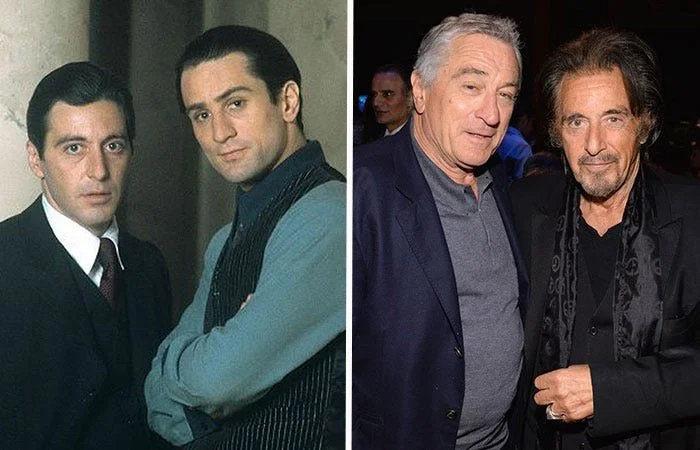
Al Pacino vs. Robert De Niro
Two New York-bred titans who redefined American screen acting in radically different ways. This fast, clip-driven lecture compares their signature tools—Pacino’s volcanic rhythm, explosive voice, and operatic intensity versus De Niro’s internal clockwork, behavioral detail, and chameleon physicality. We track their parallel rise, competition, and collaborations that put them head-to-head in the films “Heat” (1995) and “The Irishman” (2019).

The Comedy of Larry David
We will look at the career and writing of the creator of two of the great comedies of all time, “Seinfeld” and “Curb Your Enthusiasm”, Larry David. David is known for his exploration of social foibles and personal neuroses, to his alter-egos - a version of himself on “Curb Your Enthusiasm”, and George Costanza on “Seinfeld” - basing episodes on his real-life grievances, and his upcoming HBO series "Life, Larry and the Pursuit of Unhappiness".
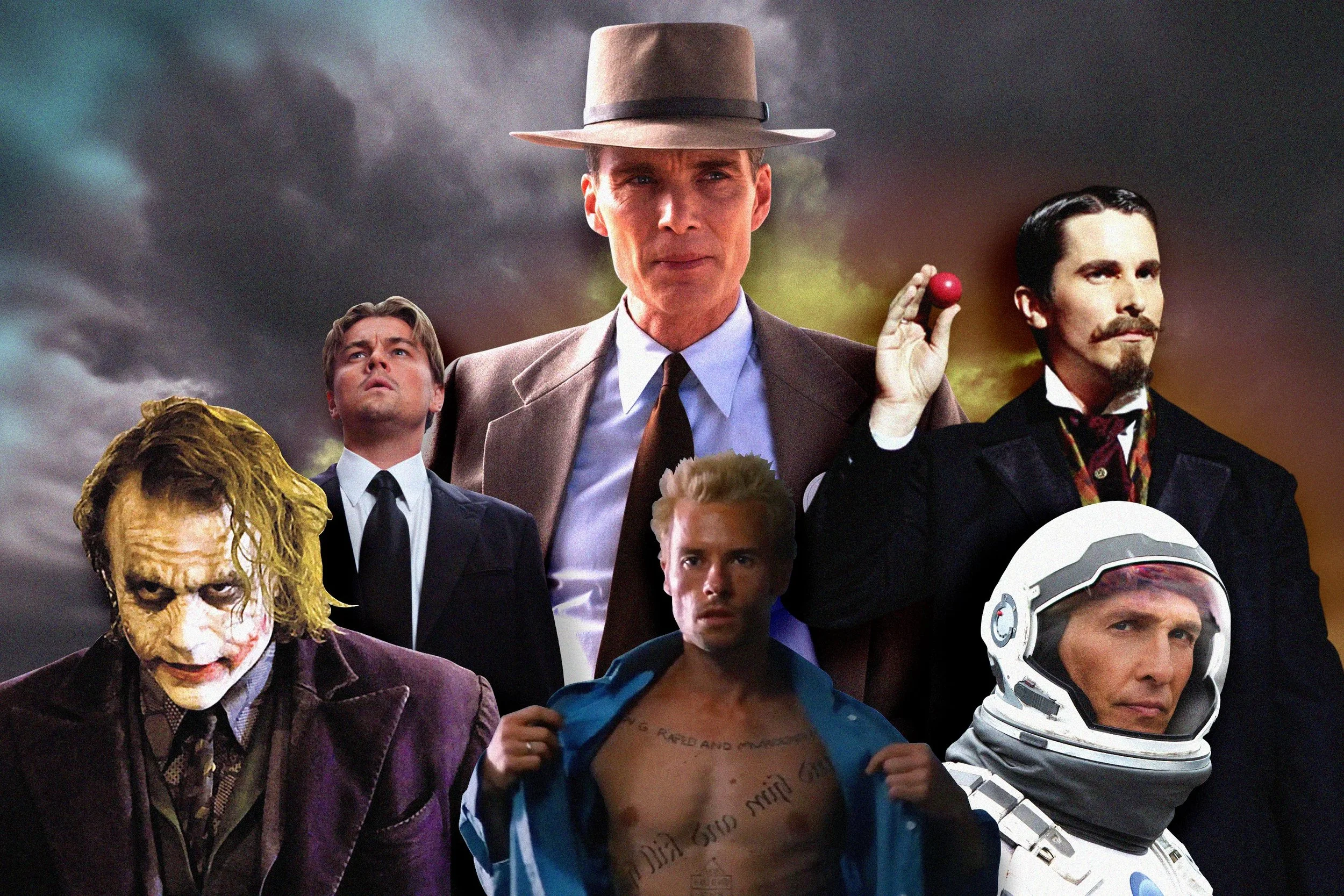
The Career and Films of Christopher Nolan
Christopher Nolan is a British-American filmmaker known for his unique and visually stunning films, gaining widespread recognition with his film "Memento" (2000), which showcased his signature nonlinear storytelling style. He went on to direct critically acclaimed and commercially successful films such as "The Dark Knight" trilogy, "Inception", and "Interstellar", which have become iconic in the realm of modern cinema. His upcoming 2026 film “The Odyssey” marks another ambitious undertaking for Nolan.
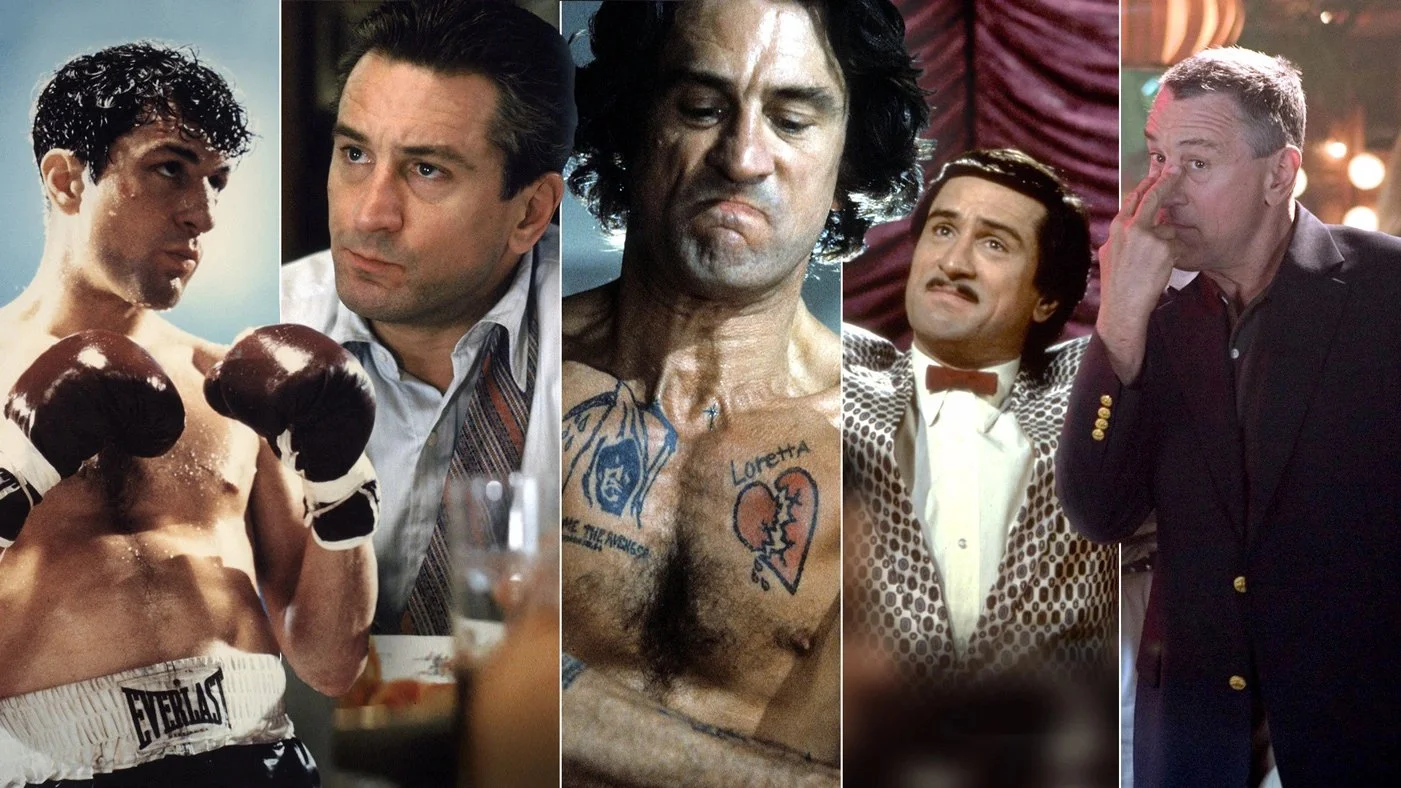
The Career and Films of Robert De Niro
Robert De Niro gained his reputation as a volatile actor in "Mean Streets" (1973), which was his first film with director Martin Scorsese. He received an Academy Award for Best Supporting Actor for his role in "The Godfather: Part II" (1974) and received Academy Award nominations for best actor in "Taxi Driver" (1976), "The Deer Hunter" (1978) and "Cape Fear" (1991). He received the Academy Award for Best Actor for his role as Jake LaMotta in "Raging Bull" (1980).
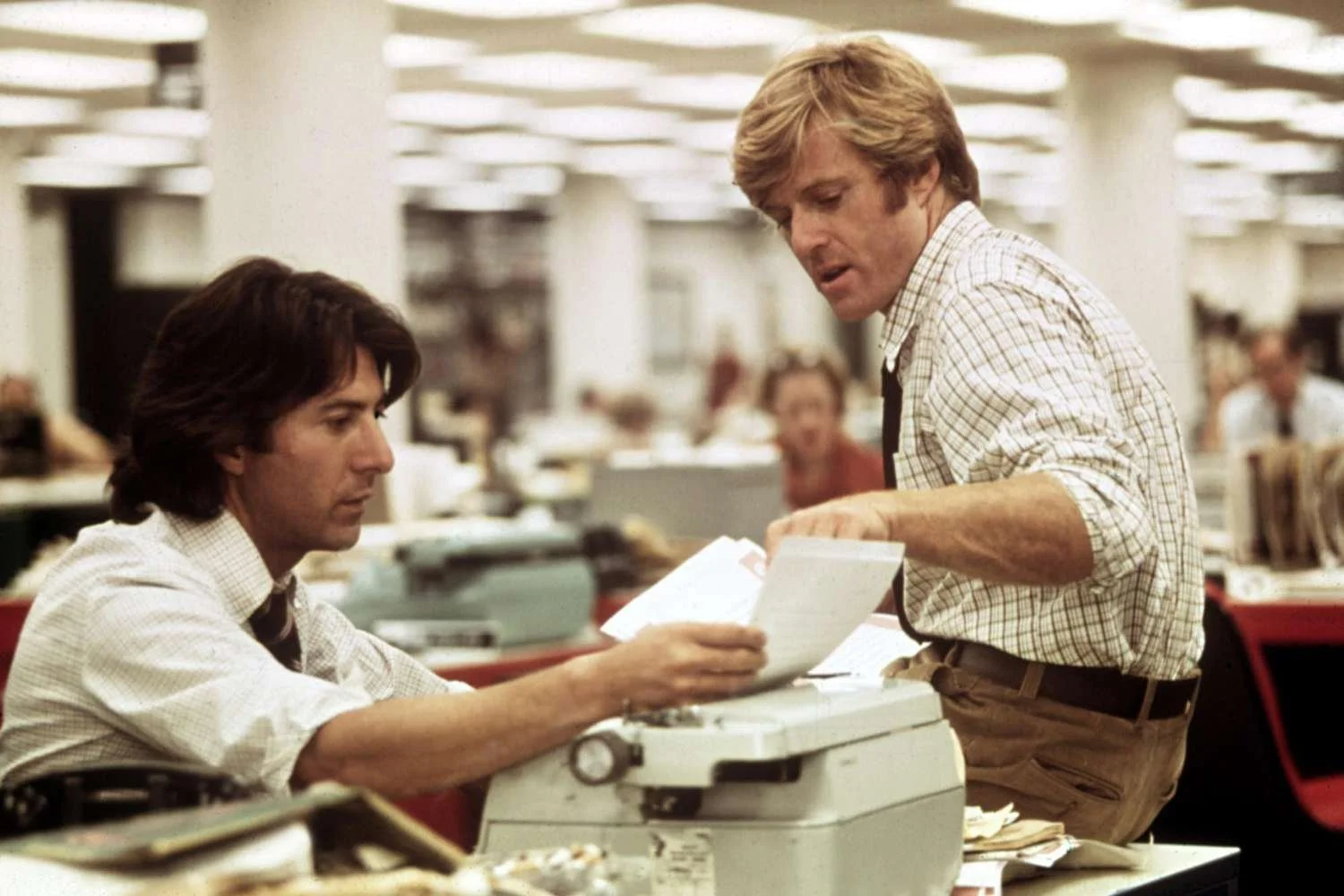
Journalism in Cinema
With the 50th anniversary of "All The President’s Men" (1976), this summer program takes a look at professional journalism through the prism of cinema, examining the film classic’s unmasking of the Watergate scandal and other films like “Spotlight" (Best Picture Oscar winner of 2016), “Zodiac" (2007), "The Insider" (1999), “Capote" (2005), "The Killing Fields" (1984), among many others.

Jaws: The Making Of A Masterpiece
This lecture looks at the cinematic genius, making of, and cultural impact of Stephen Speilberg’s 1975 blockbuster film “Jaws", its release was regarded as a watershed moment in motion picture history, becoming the first summer blockbuster. The film's iconic score, the suspenseful direction and strong performances by the cast made "Jaws" a classic of modern cinema.

The New Media Landscape
This talk traces how serialized television adopted cinematic complexity, shifted from networks to streaming, and altered audience habits through binge-watching. We will also examine how serialized franchises and hybrid releases blur the lines between formats. Ultimately, we explore the future of narrative media in an age of endless content and changing attention spans
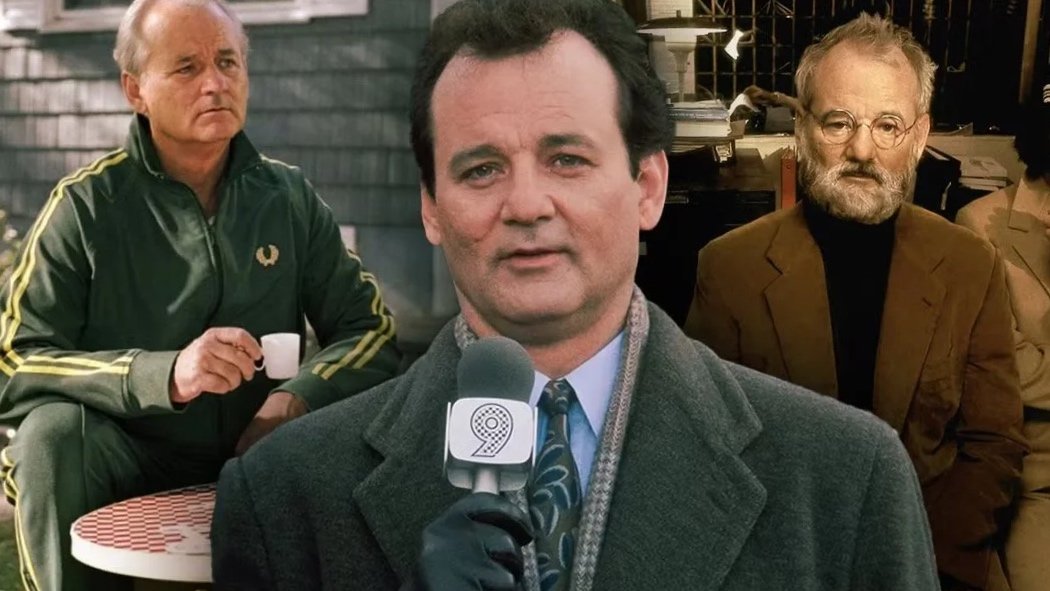
The Career of Bill Murray: From SNL to Icon
Bill Murray’s career is one of American comedy’s strangest and most enduring evolutions: from SNL breakout to 1980s box-office king, reinvention as an offbeat dramatic actor, and indie icon. Formed in film classics like “Caddyshack” (1980), “Stripes” (1981), “Ghostbusters” (1984), and “Groundhog Day” (1993), Murray reshaped his screen persona into something simultaneously cynical, vulnerable, and oddly soulful.
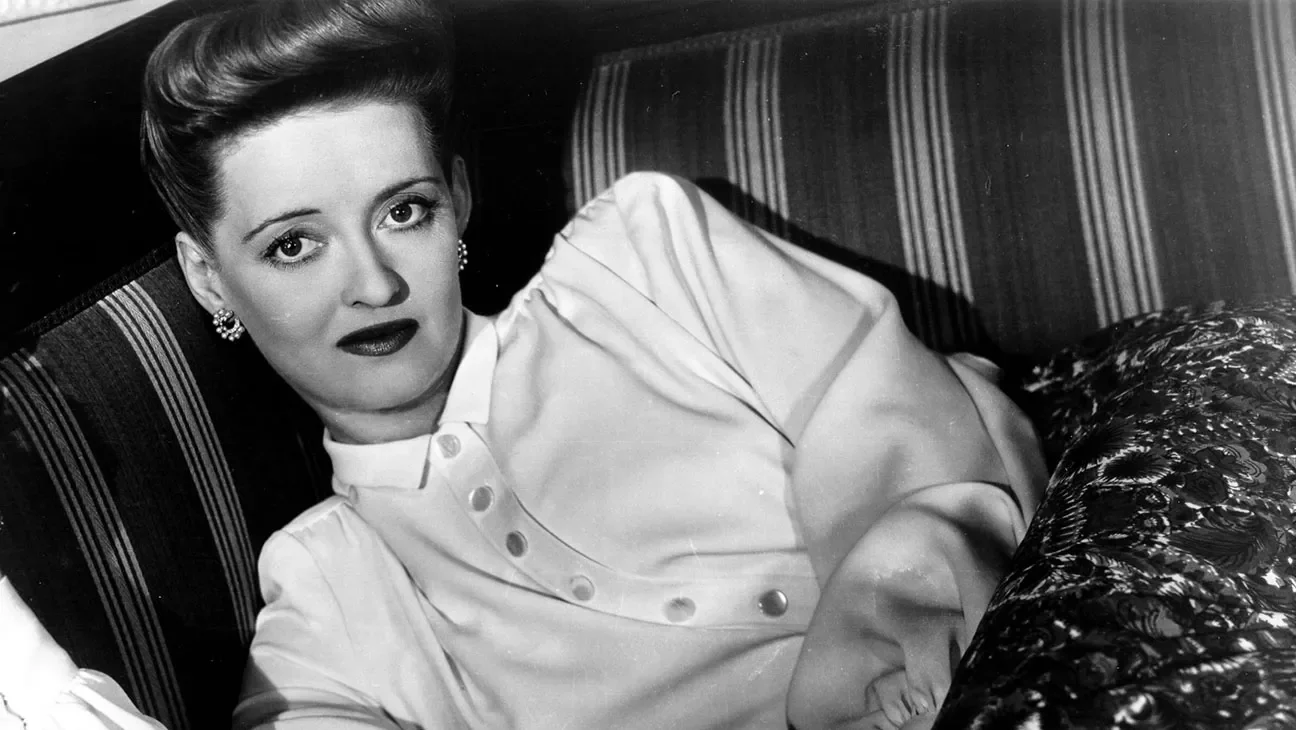
The Career and Films of Bette Davis
This lecture explores the life and career of Bette Davis, a formidable Hollywood pioneer who redefined screen acting. Known for her fierce intensity, Davis rejected glamorous molds to portray complex, raw characters. The session covers her iconic roles, studio battles for creative control, late-career revival, and legacy as a sharp-tongued survivor who championed strong female representation in cinema.
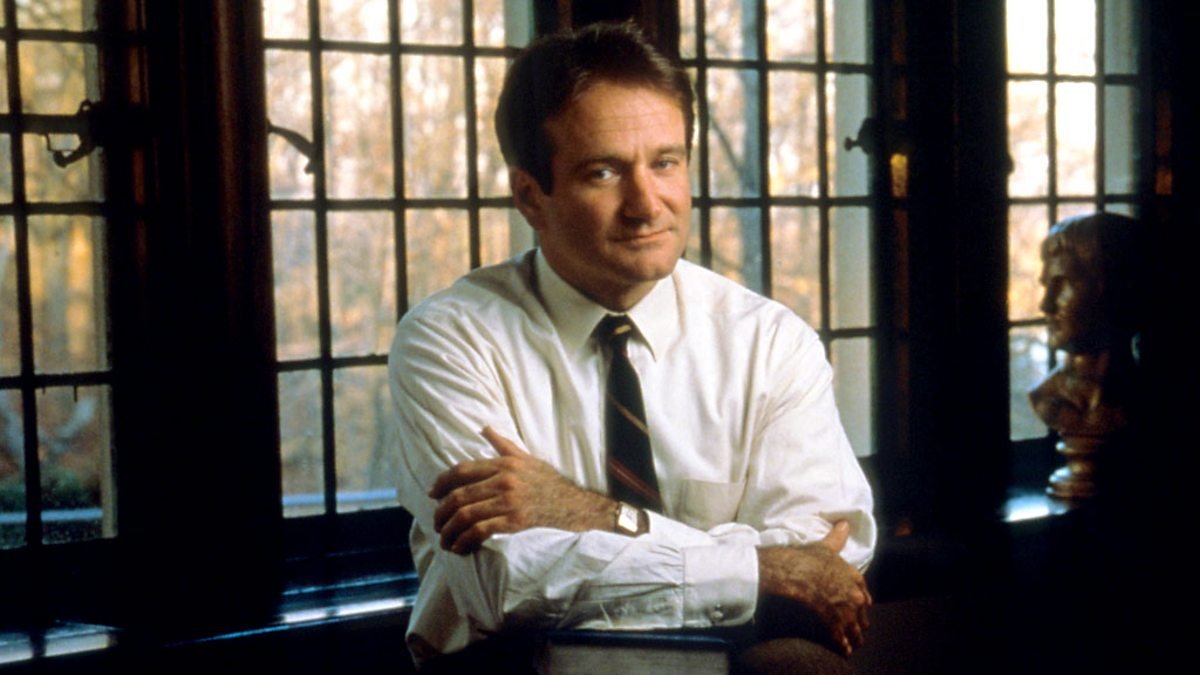
The Career and Films of Robin Williams
Robin Williams was one of the greatest performers of all time - hilarious, heartwarming, shocking, sweet, and truly genius. This lecture will look at his rise to fame in the 1970s and 1980s with his energetic, irreverent stand-up comedy, to becoming one of the most beloved and iconic actors of his generation,
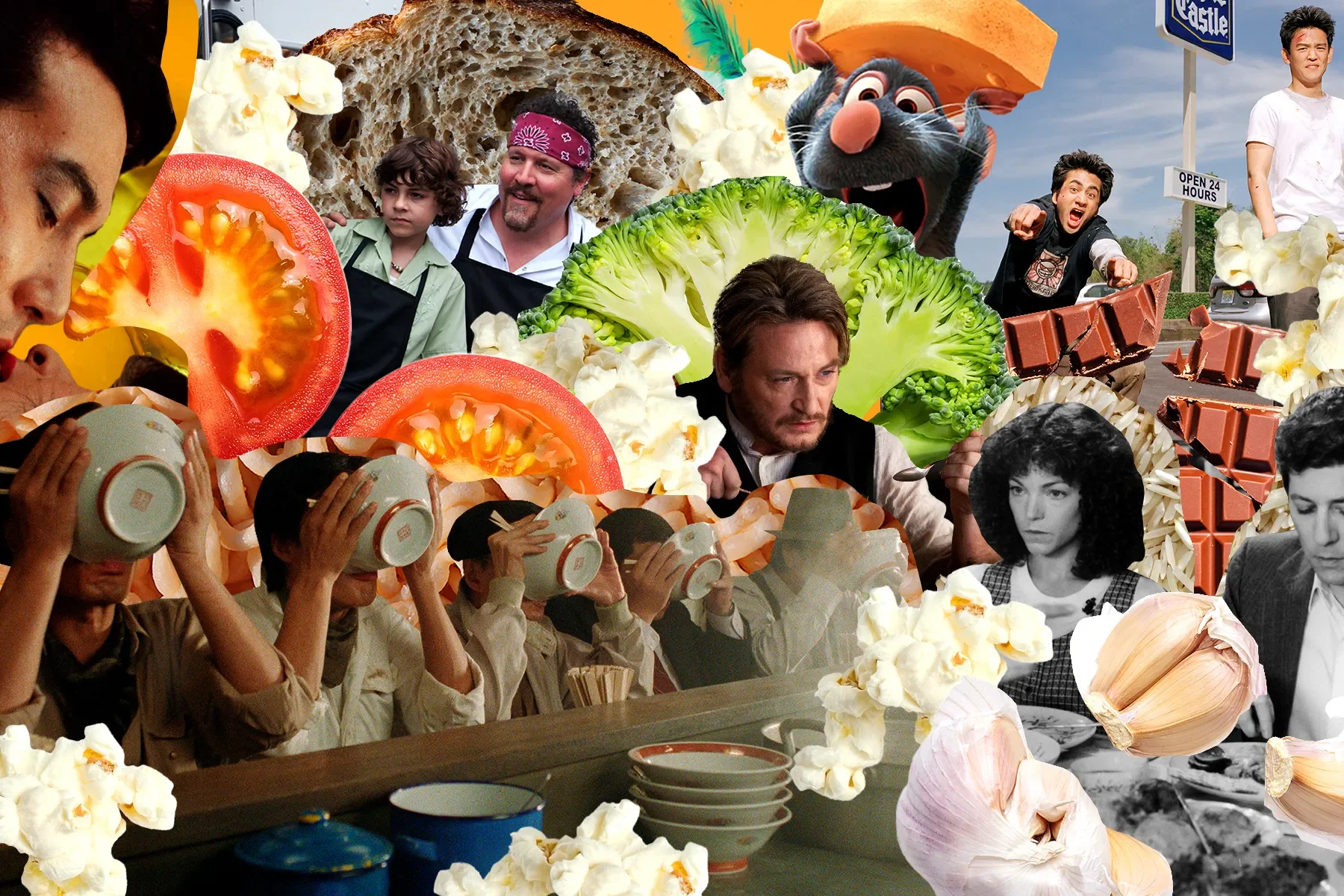
Feeding the Frame: Cuisine & Cinematic Meaning
Food operates as a cinematic and cultural language, shaping narrative, Character and identity. This lecture examines both symbolic food moments in a broader context (The Godfather, Pulp Fiction, Goodfellas) and works where cuisine is central to the plot (Big Night, Chef, Tampopo).

The Immigrant Experience in Film
This lecture highlights the portrayal of immigrant stories in cinema to address larger social, political, and cultural issues. We will look at movies that detail the immigrant experience such as The Godfather, Part II (1974); America America (1963); and Avalon (1990); films from the early silent days such as Charlie Chaplan's The Immigrant (1917); and more recent films like Brooklyn (2015) and Minari (2020), as well as comical or allegorical commentary on the immigrant experience like Coming to America (1988).

The Films & Career of Steven Spielberg
Best known for his epic blockbusters, such as Jaws (1975), Close Encounters of the Third Kind (1977), Raiders of the Lost Ark (1981), E.T. the Extra-Terrestrial (1982), and the "Indiana Jones" franchise, Spielberg is also known for his emotionally charged dramas, such as Schindler's List (1993), which won him his first Academy Award for Best Director, and Saving Private Ryan (1998). He has been nominated for five Academy Awards for Best Director and has won three times.
The Films & Career of Steven Spielberg
Best known for his epic blockbusters, such as Jaws (1975), Close Encounters of the Third Kind (1977), Raiders of the Lost Ark (1981), E.T. the Extra-Terrestrial (1982), and the "Indiana Jones" franchise, Spielberg is also known for his emotionally charged dramas, such as Schindler's List (1993), which won him his first Academy Award for Best Director, and Saving Private Ryan (1998). He has been nominated for five Academy Awards for Best Director and has won three times.
The Career and Films of Bette Davis
Bette Davis, one of Hollywood’s most formidable and influential actresses, was renowned for her uncompromising intensity and striking presence. She broke away from the glamorous mold of the studio system to craft a career built on bold and complex women. From early successes like “Dangerous” (1935) and “Jezebel” (1938) to iconic performances in “Now, Voyager” (1942), “Dark Victory” (1939), and the legendary “All About Eve” (1950), Davis redefined what screen acting could be—raw, fearless, and unapologetically human.
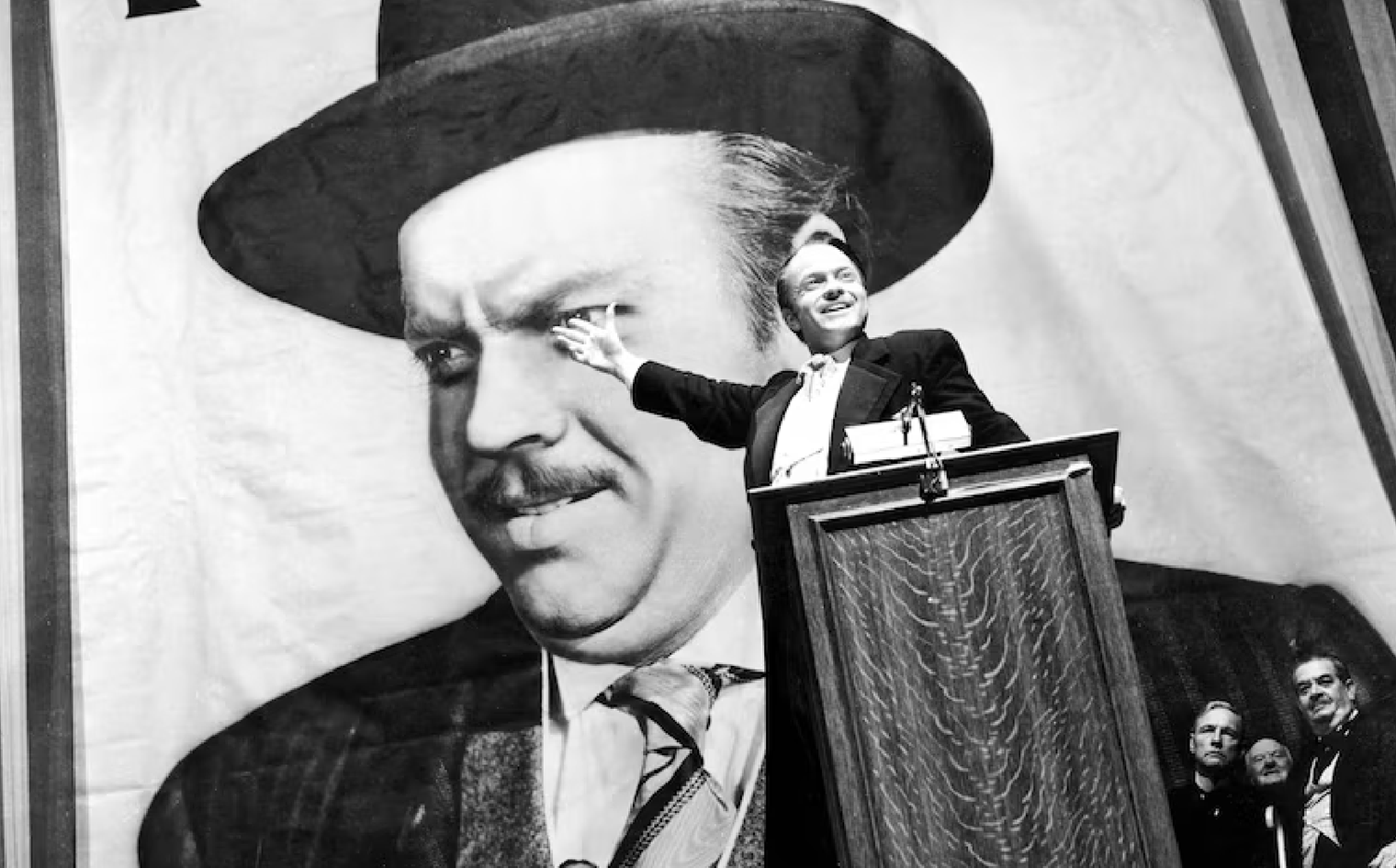
The Life, Career, and Influence of Orson Welles
Orson Welles was a genius who revolutionized storytelling across theater, radio, and cinema. From the shockwaves of his "War of the Worlds" radio broadcast (1938) to the groundbreaking cinematic innovations of "Citizen Kane" (1940), Welles challenged the boundaries of authorship, illusion, and media trust. We will trace his bold stylistic experiments, battles with Hollywood, and enduring legacy as a maverick outsider.
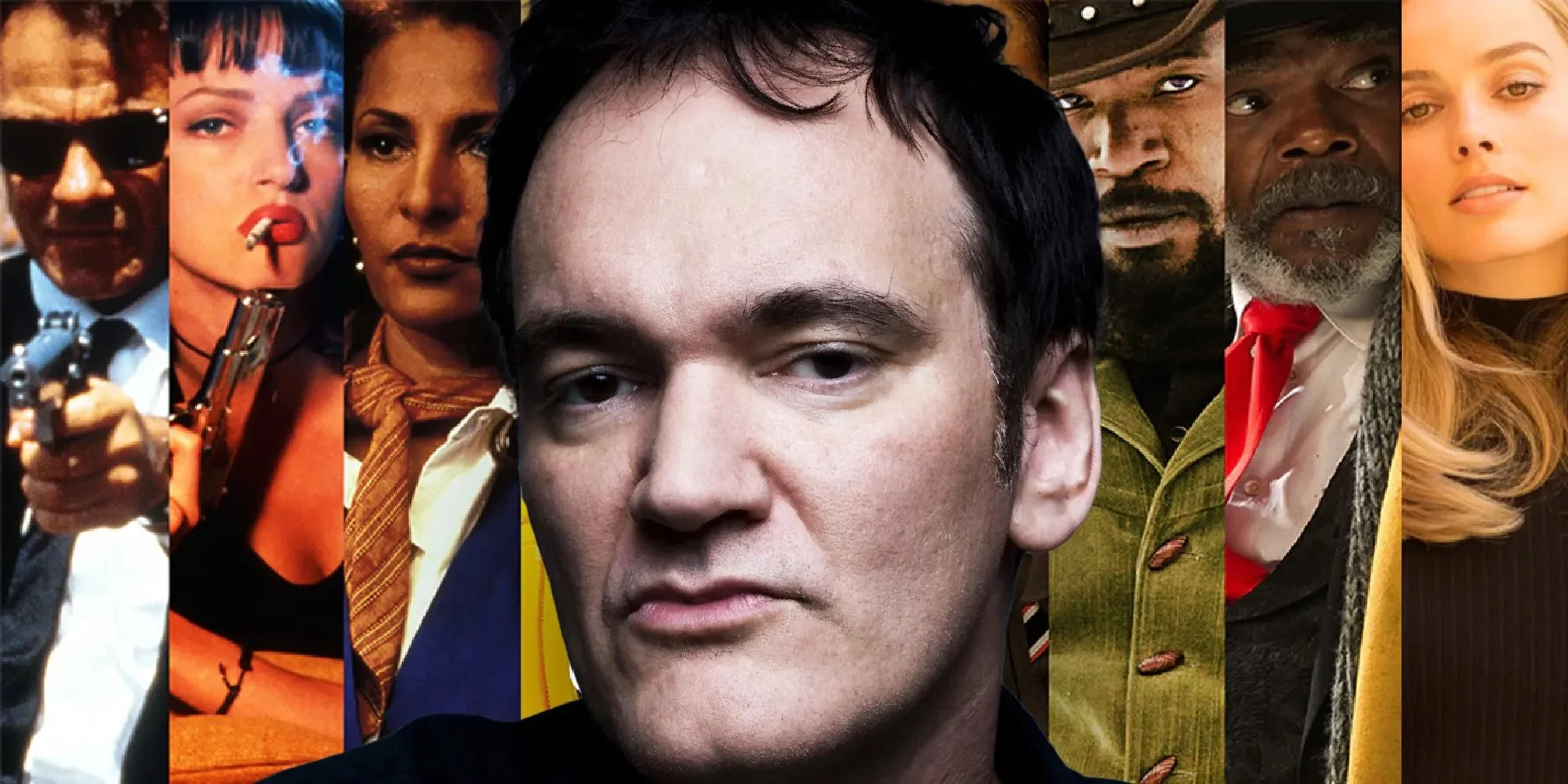
The Career and Films of Quentin Tarantino
The portrayal of Long Island in movies is often an unflattering one, steeped in crime and intrigue. We’ll be taking a look at films centering on crime that take place on Long Island, including The Godfather (1972), Goodfellas (1990), The Wolf of Wall Street (1993), Married to the Mob (1988), City By the Sea (2002), L.I.E. (2001), The Amityville Horror (1979), and Good Time (2017)

Long Island, Crime, and Culture Portrayed in Film
Director Quentin Tarantino is known as both a great director and a great writer, and his films have given us some of the most iconic and memorable characters and moments in cinema history. His films are characterized by nonlinear storylines, dark humor, , extended scenes of dialogue, ensemble casts, and references to popular culture in films like “Pulp Fiction” and “Inglorious Basterds”
Feeding the Frame: Food, Cuisine, & Cinematic Meaning
Food operates as a cinematic and cultural language, shaping narrative, character, and identity. This lecture examines both symbolic food moments in broader films and how directors use food not just for realism or mood, but to serve narrative and ideological functions.

2001: A Space Odyssey - Technology, Evolution, and Human Destiny
Examine Stanley Kubrick’s landmark film 2001: A Space Odyssey as both cinema and philosophy. Explore themes of technology, artificial intelligence, human evolution, and the unknown. Discover why this film remains culturally and artistically essential.

Feeding the Frame: Food, Cuisine, & Cinematic Meaning
Food operates as a cinematic and cultural language, shaping narrative, character, and identity. This lecture examines both symbolic food moments in broader films (The Godfather (1972), Pulp Fiction (1994)) and works where cuisine is central to the plot, such as Big Night (1996), Chef (2014), Tampopo (1985), Ratatouille (2007), “Pig” (2021)), Julie & Julia (2009), & Willy Wonka & the Chocolate Factory (1971). We will consider how meals on screen reflect themes of desire, memory, migration, labor, and power. We will also reveal how directors use food not just for realism or mood, but to serve narrative and ideological functions.

The Cultural & Cinematic Legacy of The Godfather
The Godfather films continue to fascinate and entertain audiences and have become some of the most enduring in the industry. We will examine themes of family, family values, the criminal empire of the Corleone family as a metaphor for American capitalism and values, and the immigrant experience, the film’s legacy, difficulties with the studio, as well as analyze clips from the film and behind the scenes footage for insights into the development, production, and cultural and cinematic legacy of the of of the greatest films ever.

Films Based on the Writing of Stephen King
Stephen King is known as the master of horror writing. Many of the greatest horror films in history are based on his writings, (The Shining, Carrie, The Dead Zone), while many are not (Stand By Me, The Shawshank Redemption, The Green Mile). We will look at the writing career and subsequent adaptations into classic films of many of King’s novels and short stories. Viewing clips from films and interviews with King and various collaborators to see how the master of horror fiction translation into one of the masters to film storytelling.

The Law in Films
The Law has long been one of the great subjects in films. Some of the greatest movies ever made were about lawyers, the law, and the courtroom setting, and strive for accuracy in their depiction of legal procedures and provide insights into the human side of the law.. The lecture will look at the most notable films and scenes in history and discuss their influence on culture, the representations of changing times and laws, and how they use the court cinematically as a setting for incredible storytelling, themes of legal battles, court cases, crime and punishment, and the functioning of the criminal justice system.
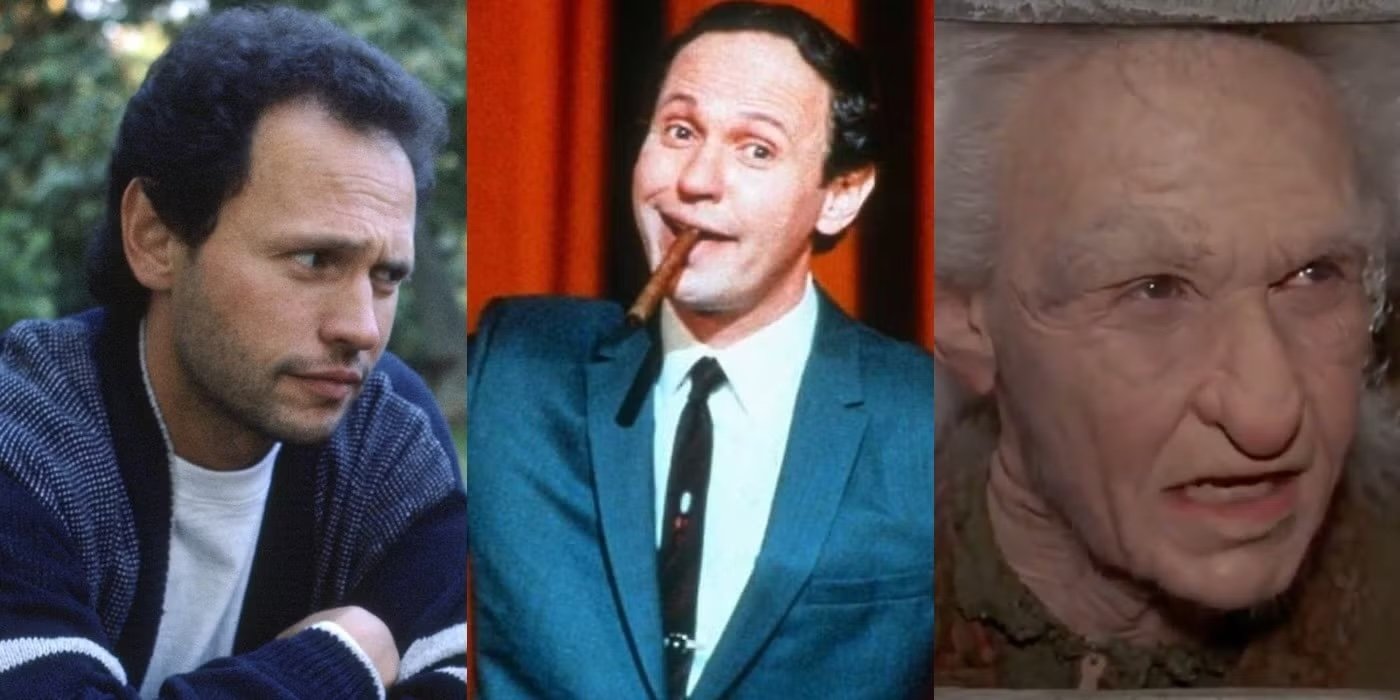
The Career & Films of Billy Crystal
Billy Crystal first gained popularity as a stand-up comedian in the 1970s, known for his witty and observational humor in films like The Princess Bride (1987) and This is Spinal Tap (1981). His breakthrough in film came with his role in the romantic comedy When Harry Met Sally... (1989). He went on to star in a series of successful comedies such as City Slickers (1991), Running Scared (1987), Analyze This (1999) and its sequel, Analyze That (2002). He is known for his quick wit, comedic timing, and ability to portray relatable characters in both comedic and dramatic roles, leaving a lasting impact on the entertainment industry.

The Western as American Mythology
The Western isn't just about the past — it's a mirror reflecting America's ongoing struggle with freedom, violence, and belonging. It’s America's foundational mythology - a genre where rugged individualism, frontier justice, and the clash between civilization and wilderness define national identity. This lecture explores how Western films mythologize history, creating enduring archetypes like the cowboy, the outlaw, and the settler. Flims will include John Ford’s “Stagecoach” & “The Searchers”, Sergio Leone’s 'Spaghetti Westerns “A Fistful of Dollars", “The Good, The Bad, and The Ugly”, & “Once Upon a Time in the West”, modern revisionist takes like "Unforgiven” and “No Country for Old Men".
Jaws: The Making Of A Masterpiece
This lecture looks at the cinematic genius, making of, and cultural impact of Stephen Speilberg’s 1975 blockbuster film “Jaws" Its release was regarded as a watershed moment in motion picture history, becoming the first bona fide blockbuster. The direction, music, writing, cinematography and editing, combined with strong performances from Roy Scheider, Richard Dreyfuss, and Robert Shaw, made "Jaws" a classic of modern cinema. In addition to its commercial success, Jaws had a significant impact on the horror and thriller genres and popular culture in general.